
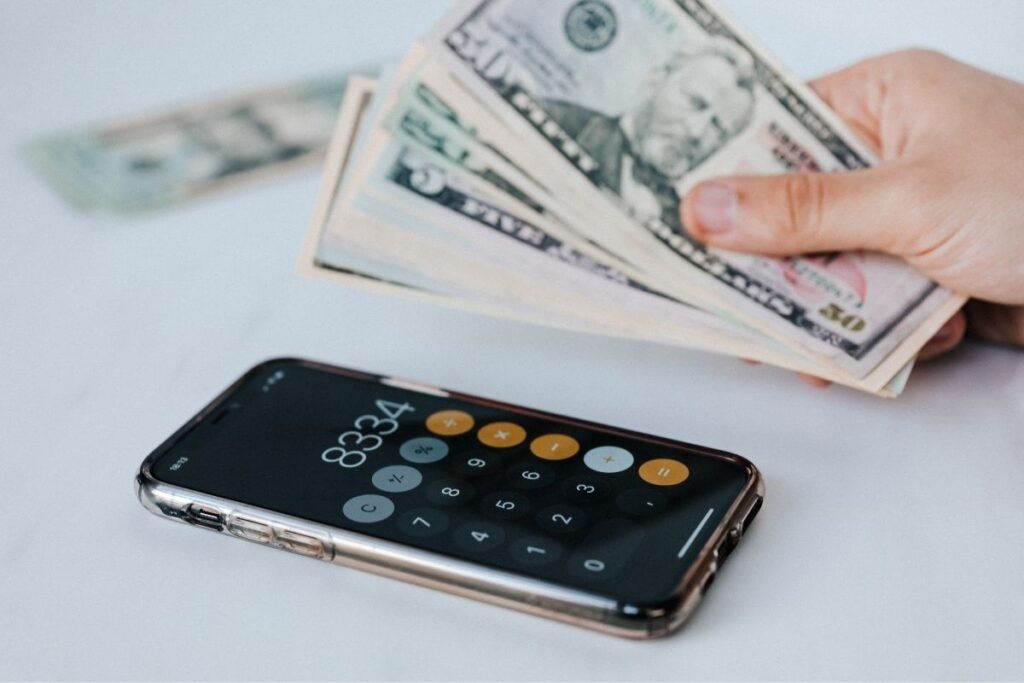
Envelope budgeting is one of the oldest and most effective budgeting methods, and it’s experiencing renewed popularity as people rediscover its power for controlling spending and building financial discipline. The traditional envelope method involved using physical envelopes to organize cash into categories, each envelope containing money designated for a specific purpose. Once an envelope was empty, you stopped spending in that category until the next budgeting period.
Modern envelope budgeting apps recreate this proven methodology digitally while adding convenience, automation, and real-time tracking. Digital envelopes eliminate the need to carry cash while maintaining the psychological power of seeing your available balance for each spending category. The tactile, visual nature of envelope budgeting makes it particularly effective for people who understand money better through visual organization and those who struggle with traditional budgeting methods.
We’ve identified 12 of the best envelope budgeting apps available today. These apps combine the proven methodology of envelope budgeting with digital convenience, ranging from simple, straightforward implementations to sophisticated apps with advanced features. Whether you’re new to envelope budgeting or looking to switch apps, you’ll find options that fit your needs and budget management style.
1. YNAB (You Need A Budget)
YNAB uses a zero-based budgeting methodology that’s essentially digital envelope budgeting. Every dollar is assigned to a category before you spend it, ensuring you allocate money with intention and awareness. The app syncs with your bank accounts and shows real-time balances for each budget category.
YNAB’s strength is its comprehensive approach combining envelope methodology with powerful features including goal tracking, overspending alerts, and detailed reporting. The app provides educational resources about behavioral change and helps users build lasting financial discipline. At roughly $15 per month or $84 annually, YNAB is one of the pricier options, but the methodology is proven effective for serious budgeters who want structured financial transformation.
Also read: Best Budgeting Apps: 10 Top-Rated Tools to Take Control of Your Finances
2. GoodBudget
GoodBudget recreates the classic envelope system digitally, allowing you to create virtual envelopes for each spending category and track remaining balances in real-time. The app syncs across multiple devices and includes receipt scanning for detailed expense documentation.
GoodBudget’s strength is its visual, tactile approach to envelope budgeting. You can see virtual envelopes fill and deplete, creating psychological feedback about spending behavior. The free version provides core envelope functionality, while the premium version (roughly $9.99 monthly) adds unlimited envelopes and cloud backup. GoodBudget works particularly well for people who learn visually and couples managing shared finances.
3. EveryDollar
EveryDollar implements zero-based budgeting where every dollar you earn is assigned to a category before you spend it. The app allocates income across envelopes representing different spending categories, ensuring you budget intentionally.
EveryDollar’s free version requires manual transaction entry, maintaining high spending awareness. The premium version (roughly $10.99 monthly) adds automatic bank sync and transaction categorization. EveryDollar appeals to people following Dave Ramsey’s financial approach and those who want structured envelope budgeting integrated with comprehensive financial guidance.
4. Qapital
Qapital combines envelope methodology with behavioral psychology, offering multiple saving and budgeting strategies including round-ups, percentage-based allocations, and rule-based envelopes. The app lets you create custom rules and watch money flow into appropriate categories automatically.
Qapital’s strength is its gamification and psychological approach to envelope budgeting. The app provides rewards and notifications about progress, making budget adherence feel rewarding rather than restrictive. Qapital offers both free and premium versions, with premium adding investment features and custom envelope creation. The psychology-based approach appeals to people who need motivation and engagement.
5. Honeydue
Honeydue combines personal envelope budgeting with collaborative features for couples managing shared finances. The app allows both partners to see envelopes, spending, and budget progress in real-time, reducing financial communication friction.
Honeydue’s strength is its focus on couples and shared financial management. Each partner can see what’s spent from shared envelopes while maintaining privacy around personal spending. The app provides transparency without judgment, helping couples align on financial goals. Honeydue is free, making it an excellent value for couples wanting digital envelope budgeting with built-in collaboration.
6. Twine
Twine takes a different envelope approach by splitting your paycheck automatically between spending and savings envelopes. You set a percentage for savings, and the app transfers money automatically, leaving the remainder for spending.
Twine’s strength is simplicity and automation. The app removes decision-making by automatically funding envelopes as you get paid. The visual envelope display shows how much remains in each category throughout the month. Twine appeals to people wanting envelope budgeting without complexity and those who save better when money moves automatically before they see it.
7. Envelopes
Envelopes is a straightforward digital envelope app focused specifically on the envelope budgeting methodology without added complexity. The app lets you create envelopes, track balances, and watch spending against allocations in real-time.
Envelopes’ strength is simplicity and focus. The app does envelope budgeting well without feature bloat or complexity that leads to abandonment. The interface is clean and intuitive, requiring minimal learning curve. Envelopes appeals to people wanting pure envelope budgeting without additional features or complexity.
8. Pocketsmith
Pocketsmith combines envelope budgeting features with powerful forecasting and financial analysis. The app lets you allocate money to envelopes while also providing predictive insights about future spending and cash flow.
Pocketsmith’s strength is combining envelope budgeting with forward-looking financial planning. The forecasting features show how your spending patterns will affect future months and help you anticipate financial challenges. Pocketsmith appeals to people wanting envelope structure combined with advanced planning and analysis.
9. Actual
Actual is a privacy-focused envelope budgeting app that puts you in complete control of your data. The app lets you create envelopes, track spending, and manage money without cloud connectivity requirements or data sharing with third parties.
Actual’s strength is data privacy and user control. The open-source software means you can verify exactly how your data is handled and modify the software to fit your specific needs. Actual appeals to privacy-conscious people and those who value transparency and control in financial software.
10. EveryDollar (Free Version with Manual Entry)
EveryDollar’s free version provides envelope budgeting without automatic bank sync. You manually enter transactions, maintaining high spending awareness and complete control over categorization. The envelope method remains powerful even with manual entry.
The free version appeals to people wanting zero-cost envelope budgeting and those who believe manual entry creates better spending awareness. While more time-intensive than automatic versions, manual envelope budgeting forces conscious spending decisions and provides deeper financial understanding.
11. YNAB (with Shared Accounts)
YNAB’s envelope methodology works particularly well for couples through its shared account features. Both partners see the same envelope balances and can contribute to budget discipline together, reducing financial conflict through transparency and shared goals.
YNAB’s couple-friendly features make it excellent for managing shared finances. The ability to see what’s being spent from shared envelopes prevents surprises and helps couples align on financial priorities. YNAB appeals to couples wanting the discipline of envelope budgeting combined with transparency and communication tools.
12. Goodbudget Multi-Envelope Strategies
GoodBudget’s flexibility allows for advanced envelope strategies including sub-envelopes for detailed category breakdowns, weighted envelopes that receive automatic allocations, and spending rules that redistribute money between envelopes based on actual spending.
GoodBudget appeals to experienced budgeters wanting sophisticated envelope strategies beyond basic envelopes. The app’s flexibility supports evolving budgeting needs as your financial situation and goals change. The visual interface makes even complex envelope strategies easy to understand and manage.
Understanding Envelope Budgeting Methodology
Envelope budgeting is fundamentally about allocation and constraints. You decide how much money to allocate to each spending category, then track spending against that allocation. Once allocated money is spent, you must choose between cutting spending in other categories or waiting until the next budget period.
This methodology creates natural spending discipline because you can literally see when an envelope is empty. Unlike abstract budgets that live in spreadsheets, envelope budgeting provides immediate, visual feedback about available funds. The psychological power of “empty envelope equals no more spending” is what makes this method so effective for financial behavior change.
How Envelope Budgeting Differs from Traditional Budgeting
Traditional budgeting focuses on planning and tracking spending after the fact. You plan how much you’ll spend in each category, then track actual spending against that plan. The emphasis is on understanding spending patterns and making conscious decisions.
Envelope budgeting is more about allocation and constraints. You proactively allocate money to categories, then enforce spending limits through visual feedback about remaining balance. The emphasis is on preventing overspending through hard constraints rather than relying on conscious decisions.
Who Benefits Most from Envelope Budgeting
Envelope budgeting is particularly effective for people who struggle with overspending and need visible constraints to control spending. Visual learners understand their money better through the visual organization of envelopes. People with high debt or serious financial goals benefit from the forced discipline envelope budgeting provides.
Couples managing shared finances often find envelope budgeting more transparent and less conflict-inducing than traditional budgeting. People who are new to budgeting find the simplicity and visual feedback of envelopes more accessible than complex budgeting methodologies. Anyone who has succeeded using physical cash envelopes will find digital envelopes maintain that effectiveness with convenience.
Building Effective Envelope Categories
Effective envelopes typically include essential monthly expenses (housing, utilities, insurance), necessary spending with some flexibility (groceries, transportation, childcare), and discretionary categories (entertainment, dining out, shopping). Most successful envelope budgeters use five to fifteen envelopes depending on complexity preferences.
Start with major spending categories and consolidate rather than creating too many envelopes that become overwhelming to track. You can always add detail later; starting simple helps you stick with the system. Review your actual spending for three months to identify the categories that matter most for your situation.
Automation Features in Modern Envelope Apps
Many modern envelope apps automate envelope funding based on income or spending patterns. Automatic allocations mean you don’t have to manually fund envelopes every pay period, while still maintaining the discipline of envelope budgeting. Some apps use AI to suggest envelope allocations based on your actual spending.
Automation reduces the time investment required for envelope budgeting while maintaining its psychological benefits. You still see and control how money is allocated; the app just handles the mechanical aspects.
Multi-Account Envelope Budgeting
Digital envelope apps allow you to create envelopes from multiple bank accounts, credit cards, and savings accounts. This approach lets you see your complete financial picture within a single envelope system rather than managing separate apps for different accounts.
Multi-account envelope budgeting works particularly well for people managing checking accounts, savings accounts, and credit cards within a single envelope methodology. You can create envelopes that track credit card balances and ensure you’re paying off charges each month.
Envelope Budgeting for Couples and Families
Envelope apps with collaborative features allow couples and families to manage money together while maintaining appropriate privacy. Shared envelopes show both partners spending while personal envelopes remain private. This transparency reduces financial conflict by preventing surprise spending.
Family envelope systems work well for teaching children about money allocation and spending limits. Creating envelopes for different family members or categories teaches financial responsibility through visual, tangible constraints.
Common Envelope Budgeting Mistakes to Avoid
The most common mistake is creating too many envelopes, which creates complexity and abandonment. Start with five to ten major categories and expand gradually if needed. Another mistake is setting unrealistic allocations based on ideal spending rather than actual spending patterns. Your first budget should reflect reality, not aspirations.
Many people abandon envelope budgeting because they don’t allow flexibility for unexpected expenses or changing circumstances. Build in an “emergency” or “flex” envelope where overspending in one category can be covered by underspending in another. Rigidity causes abandonment; flexibility supports sustainability.
Combining Envelopes with Savings Goals
Many envelope apps allow you to combine budgeting envelopes with separate savings goals. Spending envelopes track your monthly budgeted amounts while savings goals track progress toward larger financial objectives like emergency funds, vacations, or down payments.
This combination lets you manage both monthly expenses and long-term goals within a single system. You allocate money to monthly spending envelopes while also building toward larger financial objectives.
Envelope Budgeting Success Metrics
Track your success by measuring consistency (are you sticking to allocated envelopes), behavior change (are you spending less in discretionary categories over time), and outcomes (are you moving toward your financial goals). The best metric is whether you’re achieving your financial objectives through envelope discipline.
Most people see measurable improvements in spending control within 30 days of starting envelope budgeting. By three months, envelope budgeting typically becomes habitual, requiring less conscious effort as you develop automatic spending discipline.
Getting Started with Envelope Budgeting Apps
Start by choosing an app that resonates with you based on simplicity, features, and cost. Enter your most recent month of spending data to identify your actual spending categories. Create initial envelopes based on this data, allocating similar amounts to what you actually spent in each category.
Use your first month as a test run without judgment. Observe how the envelope system works with your actual spending patterns. In month two, adjust envelopes based on what you learned. By month three, the system becomes habitual and effective.
Connect your bank accounts if the app supports automatic sync, but don’t let automation reduce your awareness of spending. The psychological power of envelope budgeting comes from awareness and intentionality; maintain these even if transactions import automatically.
Final Thoughts
Envelope budgeting is a proven methodology for controlling spending and building financial discipline. Digital envelope apps maintain the effectiveness of the original method while adding convenience, automation, and powerful features. The best envelope budgeting app is the one that matches your personality, preferences, and financial goals.
Whether you choose a simple, focused envelope app or a comprehensive system with advanced features, the key is using the methodology consistently. Envelope budgeting works because it provides visible constraints and immediate feedback about available funds. Start with an app that feels right to you and give the methodology three months before evaluating whether it’s working. Most people who stick with envelope budgeting find it transformative for spending control and financial discipline.